







Decisions are like crossroads. They can send you left, right, or straight. They can change who you marry, where you live, what career you have, how much money you make, how much you enjoy your life, what you do with your talents and gifts, how you relate to your kids, whom you hang out with, what opportunities you get, and how you feel at the end of your life.
That’s why you must be able to face hard decisions with wisdom and grace. Your ability to make the right choice at the right time is one of the greatest skills you can develop.
When you’re faced with a difficult decision, how do you tend to react? Do you ask people for advice? Pray about it? Research and study your options? Think about it for a while? Freeze up? Make an impulse decision? Panic? Avoid it until you’re forced to choose? Follow the crowd? Flip a coin? Make your best guess and go with it? At some point or another, you’ve probably tried all those things. I know I have.
How you make decisions will change based on the nature of the decision. Flipping a coin is fine if you’re trying to choose an outfit in the morning, but it’s a terrible idea if you’re deciding who to marry. The more important the decision, the more important it is to be wise and cautious in how you make it.
There are a few things that are important in every decision, especially the hard ones.
1 . Know Which Decisions Matter
This is something that is often overlooked: you must decide how much a particular decision matters. Essentially you’re asking, “What are the consequences if I get this wrong?” Sometimes we forget this part, and it’s one reason we can end up on a road we wish we hadn’t taken. For example, you might be the overthinking type. As a result, you make good choices—but it takes too long. You spend far too much energy trying to make every decision the best one, the right one, the perfect one.
If this describes you, I’m glad you take your decisions seriously. There are certainly situations where you should move slowly and evaluate every option. However, you only have so much headspace. If every choice is a life-or-death one in your eyes, you’ll end up investing too much of your mental and emotional resources into the smaller decisions, and you won’t have enough left for the big ones.
Start by considering how much this decision matters. Will this choice matter in six months? Are the consequences of making the wrong choice really that bad? What is the best that could happen? The worst that could happen? Questions like this override your brain’s tendency to view every decision as life- altering and help bring things into an order of priority.
Maybe you swing toward the opposite end of the spectrum. You make quick decisions, often based on intuition or emotion. You have a “figure it out as we go” mentality, even for larger decisions that affect a lot of people.
If this describes you, please know that your ability to make decisions is invaluable. There are many times when decisions simply need to be made, and you don’t need to spend a week or a month or a decade thinking about it. However, intuition and emotion can also lead you astray, and for big decisions, you need to slow down and consider your options carefully through research, counsel, prayer, and reflection.
Again, ask yourself: What are the downsides of getting this wrong? If a bad decision would create pain and chaos for you and those around you, take extra time to avoid making a wrong choice. Don’t rush into something you’ll spend months or years regretting.
For both underthinkers and overthinkers, the point is the same: be intentional about which choices you give more attention to. It’s a simple step, but it brings clarity and balance.
2 . Check In with God
I’ve discovered that whenever I neglect to include God in my decisions, it’s usually a guarantee that whatever I’m chasing will not be part of my future.
God wants to help you make the right decisions. We read in Psalms, “I will instruct you and teach you in the way you should go; I will counsel you with my loving eye on you” (32:8). Proverbs tells us, “Trust in the Lord with all your heart and lean not on your own understanding; in all your ways submit to him, and he will make your paths straight” (3:5–6). These passages and many others emphasize how involved God wants to be with the nitty-gritty details of our lives.
Checking in with God starts with prayer. James wrote, “If any of you lacks wisdom, you should ask God, who gives generously to all without finding fault, and it will be given to you” (1:5). If you don’t know what to do, take time to pray about it. Open your heart to God’s direction, creativity, and wisdom. He’ll be faithful to lead and guide you.
This goes beyond prayer, though. It’s about making sure your choice aligns with God’s Word, will, and character. You aren’t making this decision alone. Rather than doing what seems best to you in the moment, consider what God says is best. Proverbs 16:25 says, “There is a way that appears to be right, but in the end it leads to death.” If we head into important decisions relying solely on our ideas, experiences, abilities, and knowledge, we’re setting ourselves up for failure.
It’s not that we’re dumb or incapable. It’s that life is far bigger than any of us. We can’t see the future, much less control it. So when we’re making crucial decisions, it’s important to seek God’s direction and ways.
Do you know which way God says is the best one? Love. The way of love is always the right way. Often we get ourselves into trouble by deciding based purely on self-focused motives: What’s in this for me? What’s best for me? What do I want? What is easiest?
In your decision-making, ask yourself, What would love do here? The Bible says, “Do everything in love” (1 Corinthians 16:14). When we follow that simple command, it’s amazing how much clearer many decisions become.
Every decision made with God will be accompanied by his peace. The Bible says, “Let the peace of Christ rule in your hearts, since as members of one body you were called to peace” (Colossians 3:15). The term “rule” in this verse has the sense of arbitrating or deciding, like a referee at a sports event. God’s command here is to let peace be a source of guidance.
Peace refers to the inner confirmation of the Holy Spirit that you are walking in the right direction. It’s a connection point with God, and it’s a place of faith and trust in him. For me, it’s a feeling that extends beyond words, beyond emotions, and beyond logic. It’s not that it’s contrary to those things, but it’s bigger than them. It comes from God.
Sometimes when you’re going through a tough decision, your emotions and thoughts will be all over the place. Even amid storms and trials, follow the way of love and move at the pace of peace.
3 . Focus on the Best Decision, Not the Ideal One
When you’re stuck between a rock and a hard place, you have to relinquish your desire for the ideal solution. You can only work with what you have, so take stock of what exactly that is, show yourself compassion, evaluate the options—and then do your best. That’s all any of us can really do.
Maybe your work is demanding too many hours, your family time is suffering, and something has to give. Or maybe you don’t have the education and training you need to get the job you want, and you’re frustrated at every turn. Don’t just live in limbo, wishing for a magical solution that is cheap, easy, fast, and fun. Be realistic. Ask yourself, What is the best option I have considering my limitations?
Not every decision will be perfect, idyllic, and hassle-free. Most of them will be a lot messier than that. That’s okay. The point is to make the most of whatever you’ve been given.
4 . Evaluate and Iterate
Evaluation isn’t about beating yourself up over a bad decision or second-guessing every choice you make. Instead, it’s about doing what God designed you to do: grow. An unevaluated decision—even a good one—is a missed opportunity for growth.
Once a little bit of time has passed, take a good look at what you did and how it turned out. Be objective, and don’t let shame or ego skew your evaluation. What went right? What went wrong? What could you have done differently? What surprised you? What are your takeaways? What should you tweak and improve? Where should you cut your losses and pivot to something new? What lessons will you file away for the future?
Often, the learning you gain from this process of reflection is more valuable than whatever benefit you received from the decision itself. Possibly you didn’t make the best decision this time, but if you learned something that will shape you for decades to come, you’re in a better place than you were before. It’s time well spent to evaluate the outcome of your decisions, or you’re likely to miss this invaluable benefit of the process.
Along with evaluation comes iteration. Most decisions aren’t one-and-done situations that lock you into an inescapable set of consequences. Instead, they are steps in a certain direction, and those steps can (and must) be redirected as you move along the path of life. Maybe a decision you made today wasn’t the greatest, but that doesn’t mean you can’t get creative about improving your situation tomorrow. Don’t wallow in shame or insecurity; get curious. Get experimental. Take notes, make changes, and try again.
Sometimes we put too much pressure on ourselves to get every decision right the first time. At the end of the day, most decisions are a work in progress. We don’t just have to live with our choices, as people often say, but rather we get to live with them, and we get to keep improving them. The Bible says that God’s “mercies begin afresh each morning” (Lamentations 3:23 nlt). I love the idea that every morning is a fresh chance to reflect and grow into the people God has created us to be.
So much of life comes down to managing your decision-making under pressure—not just once, not just for a few months, but over the course of a lifetime. Know which decisions matter. Check in with God. Then focus on making the best decision you can under the circumstances. Over time, your life will become the reflection of that consistent wisdom, and you’ll find yourself on a path that shines ever brighter.
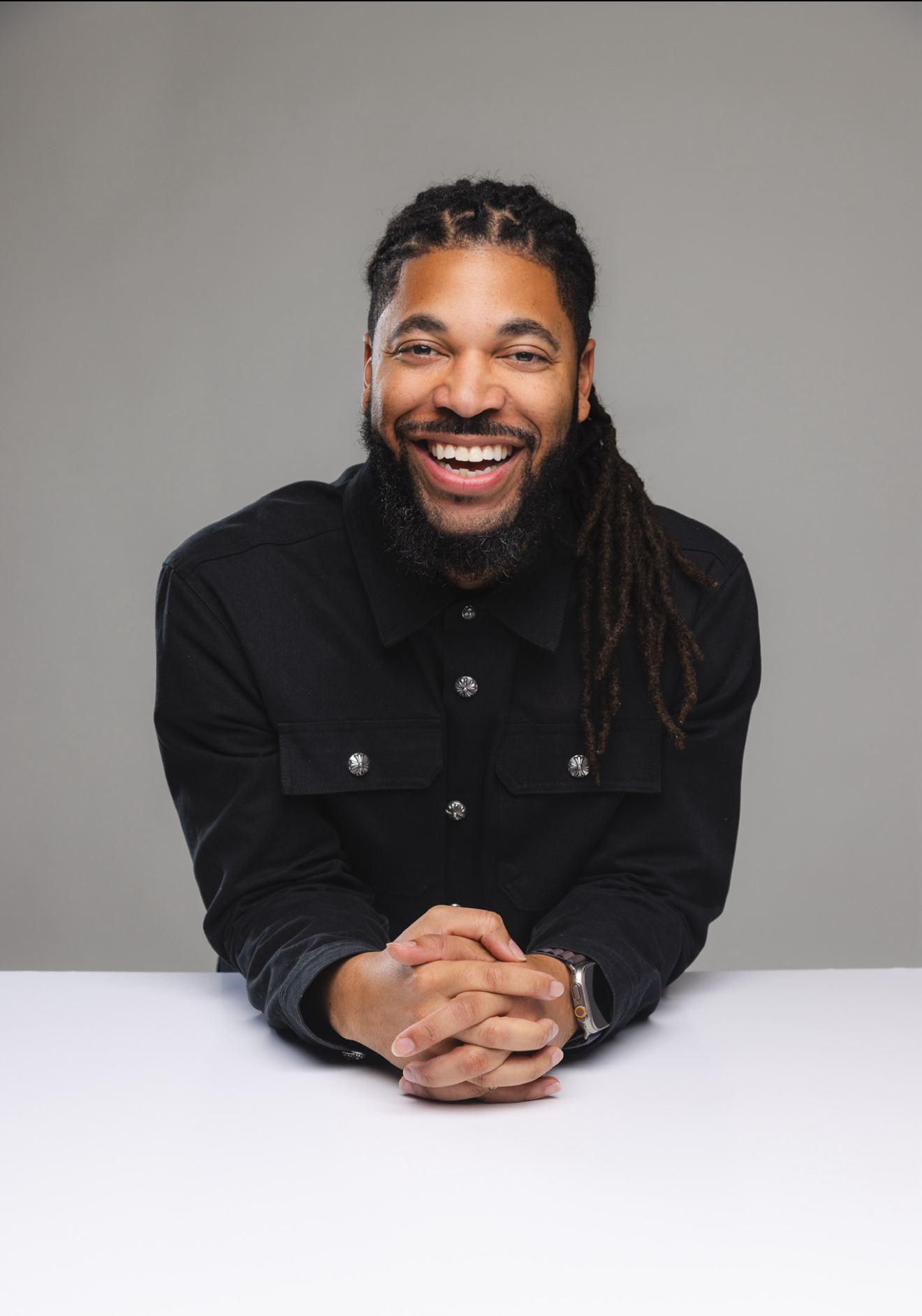
Tim Timberlake serves as the global senior pastor of Celebration Church, one church with seventeen locations. He is a popular thought leader, a gifted speaker, and a teacher with the ability to communicate with people from all walks of life. He also loves to use in-depth Bible teaching combined with humor to give people tools to transform their lives from the inside out. Tim is a graduate of the Pistis School of Ministry in Detroit, Michigan. He takes pleasure in the small things in life, and he is an avid sports fan. He lives in Jacksonville, Florida, with his wife, Jen, and son, Maxwell. The Timberlake’s feel most alive when they are pouring back into others, and they seek to glorify God through their lives and family. His newest book, The Bumpy Road to Better: Unlocking the Hidden Power in Hard Things, releases September 2, 2025.





0 Comments